
Common Beginner Questions: Everything New Golfers Need to Know to Play with Confidence

Starting your golf journey is an exciting milestone, but stepping onto the course for the first time often brings a wave of questions. Whether you are wondering how to hold the club, what gear you actually need in your bag, or how the basic scoring system works, finding clear and reliable answers can feel overwhelming. Common beginner questions usually revolve around equipment choices, basic rules, and fundamental swing mechanics that shape your entire experience on the course. Getting the right information early helps you avoid costly mistakes, build a proper foundation, and enjoy your time outdoors without frustration. This guide breaks down the essential answers every new golfer needs to build lasting confidence, navigate the course smoothly, and make smart decisions from your very first practice session.
Quick Answer
Common beginner questions typically focus on essential equipment, basic scoring, and proper swing fundamentals. New players should start with a half-set of clubs, learn basic etiquette, and focus on clean contact rather than maximum distance. According to the USGA Rules of Golf, carrying no more than 14 clubs is required, but beginners only need a driver, putter, a few irons, and a wedge to get started successfully.
Understanding Golf Equipment Basics
Navigating the world of golf equipment is one of the biggest hurdles for new players. Manufacturers flood the market with countless options, making it difficult to separate marketing hype from genuine performance value. When building your first setup, quality and forgiveness matter far more than having the most expensive clubs on the shelf.
What Clubs Do You Actually Need?
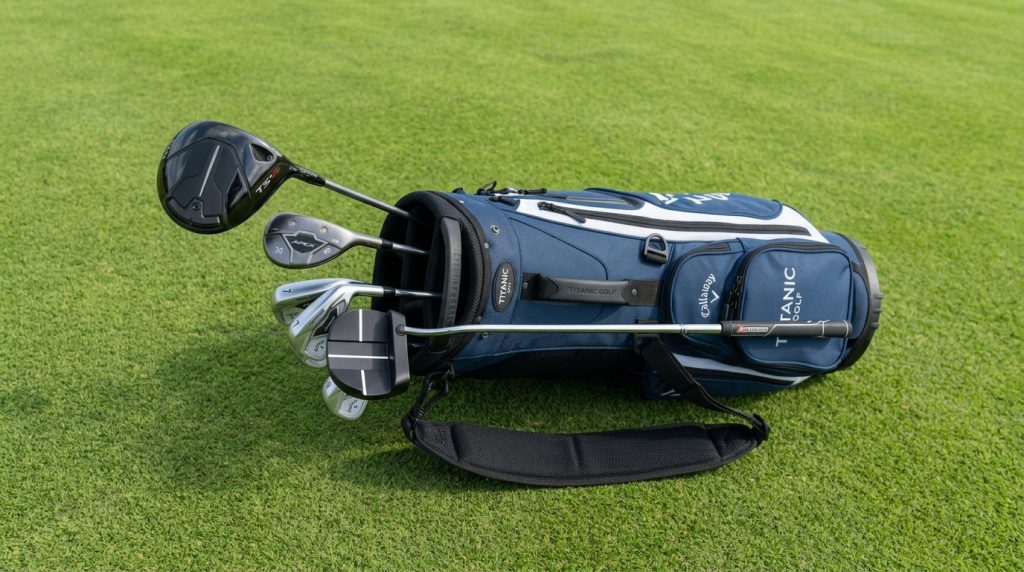
You do not need a full set of 14 clubs when you are just starting out. Carrying too many options only adds confusion and unnecessary weight to your bag. A streamlined starter setup keeps the game simple and helps you master specific distances for each club.
- Driver: Your longest club for tee shots on par 4s and par 5s. Look for a large, forgiving clubhead with a high loft.
- Fairway Wood or Hybrid: Easier to hit off the turf than a long iron. Hybrids combine the distance of woods with the control of irons.
- Mid-Irons (7-iron and 9-iron): Reliable clubs for approach shots and learning consistent swing tempo.
- Putter: The most used club in your bag. Focus on finding a model that feels comfortable and stable in your hands.
Choosing the Right Golf Balls
Beginners often lose golf balls frequently, leading to the temptation of playing with whatever is found in the bushes. However, playing with consistent equipment helps you understand how your shots react.
- Two-Piece Distance Balls: These feature a durable surlyn cover and a solid core, making them ideal for beginners because they reduce sidespin and minimize slices.
- Avoid Tour-Level Urethane Balls Initially: High-end balls generate maximum spin, which often amplifies a beginner’s slice and costs significantly more per round.
Mastering Core Swing Fundamentals
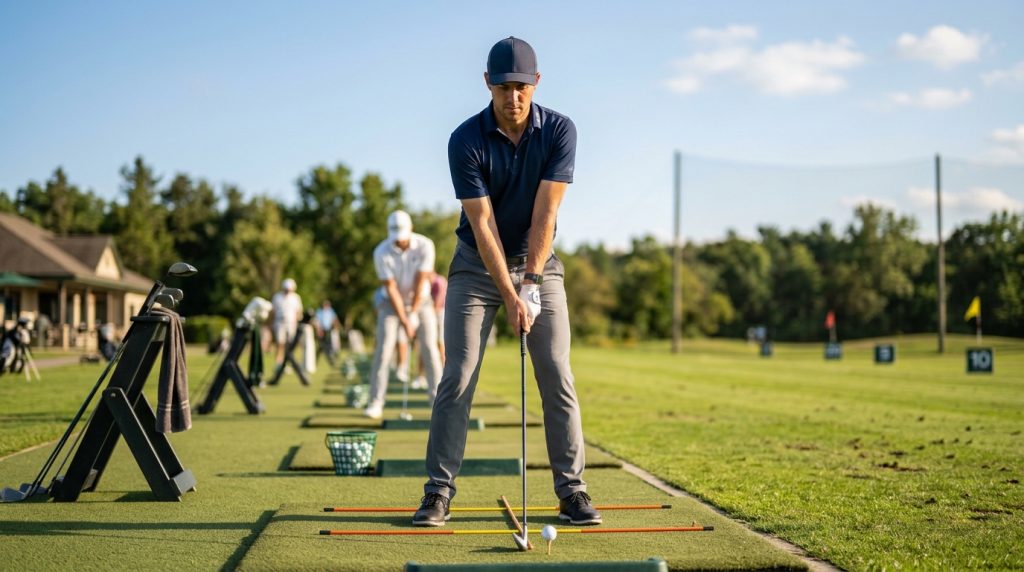
Building a solid swing foundation early prevents bad habits that take years to correct. Instead of trying to smash the ball as hard as possible, focus on balance, tempo, and clean contact.
The Grip and Stance
Your grip is the only connection between you and the club, making it the most critical element of your setup.
- Neutral Grip: Place your hands on the club so that the “V” shapes formed by your thumbs and index fingers point toward your right shoulder (for right-handed golfers).
- Athletic Stance: Position your feet shoulder-width apart with a slight flex in your knees. Keep your weight balanced evenly across the balls of your feet, not your heels or toes.
Common Swing Mistakes Golfers Should Avoid
- Swinging too hard: Trying to overpower the ball destroys your balance and causes erratic shots. Let the loft of the club do the work.
- Ignoring posture: Hunching too far over or standing too upright prevents a clean, rotating turn.
- Lifting your head early: Peeking up to see where the ball went before you finish your swing causes thin shots and tops. Keep your eyes on the spot where the ball rested until after impact.
Expert Tip:
Practice your swing slowly without a ball first. Rehearsing your tempo and balance at 50% speed helps build muscle memory much faster than full-speed practice swings.


Navigating the Golf Course and Etiquette
Stepping onto a real golf course for the first time can feel intimidating. Knowing basic etiquette and course rules keeps play moving and ensures a fun experience for everyone in your group.
Basic Course Etiquette Checklist
- Ready Golf: Play your shot when you are safely ready, even if you are not strictly farthest from the hole, to keep the pace of play moving.
- Fix Your Divots and Ball Marks: Always replace your turf chunks or fill them with sand mix, and repair your ball marks on the green.
- Rake Bunkers: Smooth out your footprints and club marks in the sand before leaving a bunker.
- Mind Your Shadow: Avoid standing in your playing partner’s line of sight or casting a shadow across their putting line.
Comparing Equipment and Practice Options
Making informed choices about gear and training investments helps you progress faster without wasting money. The table below outlines key comparison points for beginners deciding between various paths.
| Category | Beginner Option | Advanced Option | What to Choose First |
|---|---|---|---|
| Golf Clubs | Cavity-back irons, high-loft driver | Forged blade irons, low-loft driver | Beginner-friendly, cavity-back clubs for maximum forgiveness. |
| Golf Balls | Two-piece surlyn distance balls | Multi-layer urethane tour balls | Distance balls to reduce slices and save money. |
| Practice Method | Self-guided range sessions, video tips | Private lessons with a PGA professional | Professional lessons to establish a correct foundation. |
| Footwear | Spikeless golf shoes | Traditional spiked leather shoes | Spikeless shoes for versatile comfort on and off the course. |
When to Get Help From a Golf Pro or Fitter
While self-guided practice and starter sets work well initially, certain milestones call for expert intervention. If you experience persistent physical pain, develop an uncorrectable slice that lasts for months, or find yourself struggling to make consistent contact despite regular practice, consulting a certified professional is the best next step. A professional club fitter can analyze your swing speed and dynamic measurements to recommend equipment tailored specifically to your body type, ensuring your gear enhances your natural movement rather than fighting against it. For official guidelines on equipment standards and player regulations, you can also consult resources provided by the PGA of America.
Frequently Asked Questions
What is the hardest part of golf for beginners?
Making consistent contact with the center of the clubface is typically the toughest challenge. Mastering basic body rotation and tempo solves most contact issues over time.
How many golf balls should I bring to my first round?
Bring at least six to nine balls for your first 18 holes. Beginners naturally lose a few balls to water hazards, tall grass, and deep rough.
Do I need to take lessons before playing on a real course?
Formal lessons are not strictly required, but taking at least two or three introductory lessons with a certified professional prevents bad habits and accelerates your confidence.
How do I know what golf club to choose?
As a general rule, focus on your average comfortable distance with each club. Consult the yardage markers on the course and pick the club that matches your normal comfortable carry distance.
What is a handicap in golf?
A handicap is a numerical measure of a player’s potential scoring ability relative to par on a standard course. It allows golfers of different skill levels to compete fairly against one another.
Is golf an expensive sport to start?
It can be, but beginners do not need premium gear. Buying a quality used starter set, basic accessories, and affordable range balls keeps initial startup costs very reasonable.
Conclusion
Answering common beginner questions gives you the clarity and confidence needed to approach the game of golf with excitement rather than hesitation. By choosing forgiving starter equipment, mastering core swing fundamentals, and respecting basic course etiquette, you set yourself up for long-term enjoyment. Remember that every experienced golfer started exactly where you are today. Take your time, focus on consistent practice, and make smart equipment choices that support your growth on the course. Ready to take the next step? Visit your local driving range this week, test out a simplified starter set, and enjoy your journey toward better golf.